
Grey to Green, Sheffield
1.6 km Retrofit SuDS Corridor
The Grey to Green scheme in Sheffield is one of the UK’s largest retrofit Sustainable Urban Drainage Systems (SuDS), transforming a 1.6 km inner-city corridor into a resilient, high-performing green street.
Delivered with Sheffield City Council and designed by Professor Nigel Dunnett and Zac Tudor, the scheme is a leading example of how integrated SuDS planting and engineered media can deliver reliable, long-term performance in dense urban environments.
Project overview
A former dual carriageway was replaced with a network of planted bioretention cells, bioswales and rain gardens. Installed and maintained by The Green Estate, the scheme has shown more than 12 years of reliable drainage performance, increased biodiversity and improvements to the public realm.
Key features include:
- Large-scale retrofit SuDS across 1.6 km
- Grey to Green SuDS Substrate® engineered bioretention cell growing media
- Integrated, resilient planting systems
- Single-provider installation and long-term maintenance
- Fully monitored and evidence-led performance


The challenge
Managing water in a constrained urban environment
Following the catastrophic 2007 floods, Sheffield needed a more adaptive, landscape-led approach to surface water management.
Key challenges
- Increasing urban flood risk
- Limited space for conventional drainage infrastructure
- Poor water quality entering the River Don
- Need for long-term, reliable hydrological performance
- Low-maintenance requirements for a city centre setting
- Desire to improve the public realm, biodiversity and place quality
Our urban greening and SuDS solutions were selected to provide a functional water-management solution while transforming the streetscape.
The solution
Integrated bioretention and planting system
The 1.6 km corridor was redesigned as an interconnected system of:
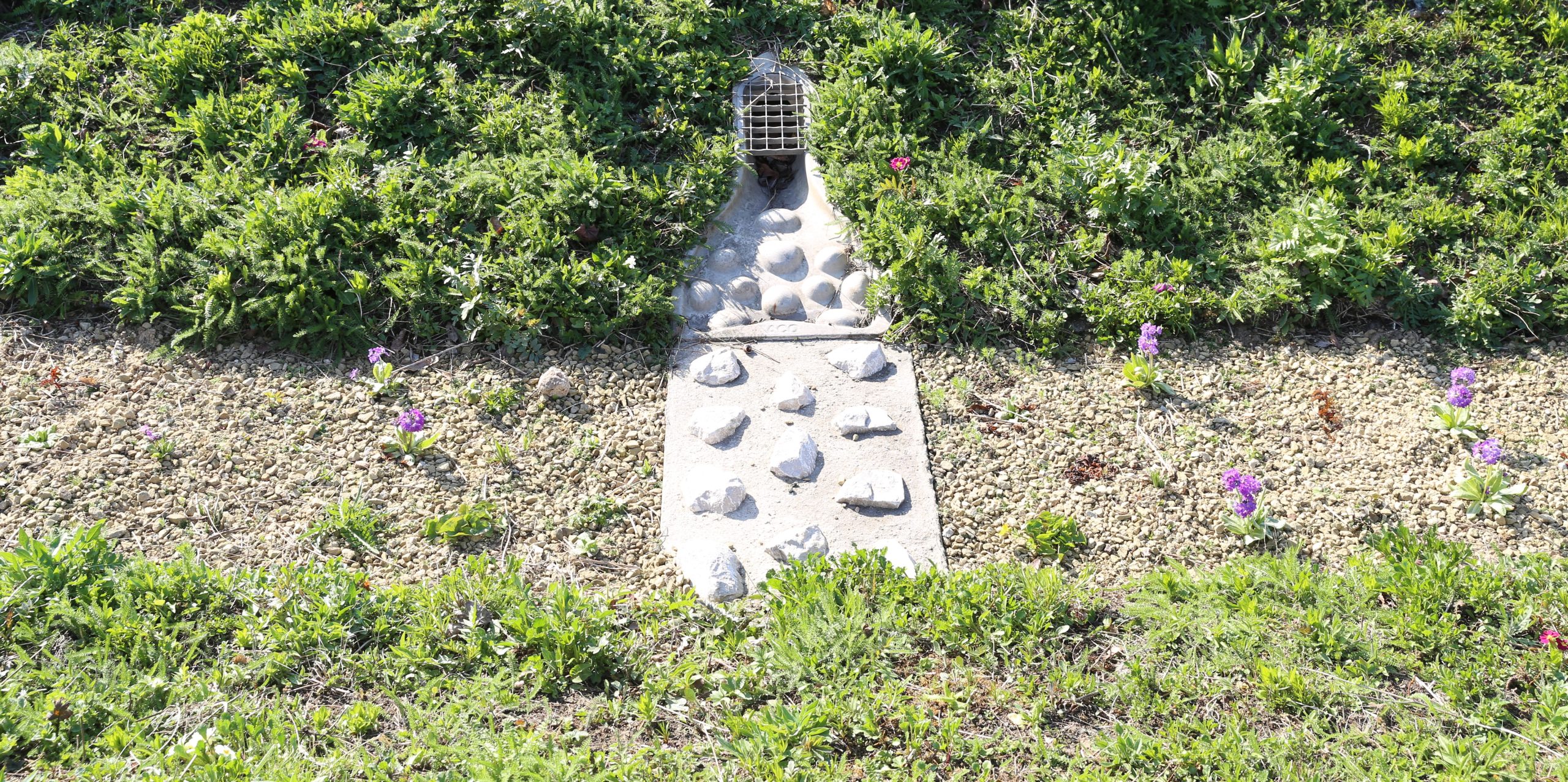
- Bioretention cells (rain gardens and bioswales)
- Grey to Green Substrate®
- Resilient perennial planting optimised for SuDS
- Surface gravel mulch for stability and low maintenance
Integrated system design
The approach was delivered as a unified system in which:
- the engineered media ensures stable infiltration, pore structure and pollutant interception
- the planting design supports root-mediated porosity and hydraulic behaviour
- the installation method maintains correct grading, depth, and compaction conditions
- the long-term maintenance ensures the system remains functional and resilient
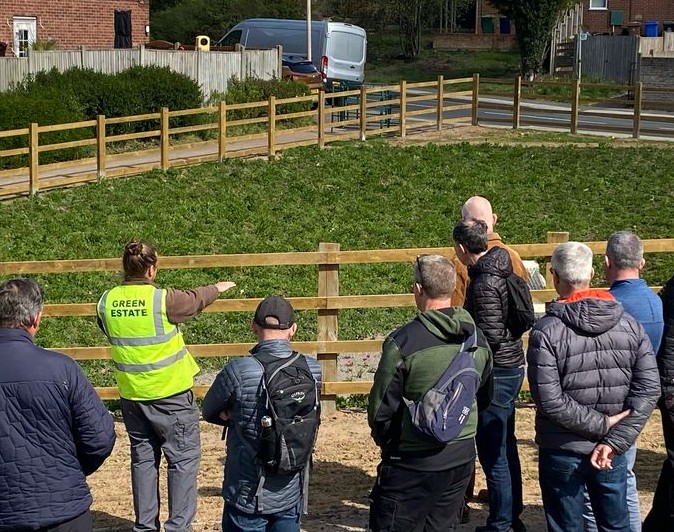
The Green Estate installed the scheme, ensuring precise implementation of the engineered media and planting system.

Proven long-term performance – 12+ years of operation
Sheffield’s Grey to Green scheme has now been operational for more than 12 years. The Green Estate has maintained the scheme since installation, providing rare, long-term, real-world verification of SuDS performance.
This long monitoring period provides uncommon evidence of multi-year SuDS reliability.
Verified outcomes
- Stable infiltration and hydrological function
- Consistent pore structure with no observed clogging
- Health and resilience of perennial plant communities
- Improved water quality and pollutant reduction
- Reliable operation in a high-traffic urban environment
Key results
- 1.6 km retrofit SuDS corridor
- 12+ years proven hydraulic performance
- Installed and maintained by The Green Estate
- Reduced flood risk and peak runoff
- Improved water quality through filtration
- Long-term resistance to clogging
- Significant uplift in biodiversity and public realm value
- Integrated engineering and landscape solution


The outcome
Integrated green infrastructure that works long term
This project demonstrates the effectiveness of treating SuDS as fully integrated green infrastructure.
The engineered media, planting design and long-term stewardship have collectively delivered reliable hydraulic function, ecological value and a transformed public realm for more than 12 years.
The Grey to Green scheme in Sheffield shows that when these components operate together, SuDS can remain functional, resilient and visually successful over the long term.

Engineered bioretention growing media
At the core of the system is a specialist bioretention substrate engineered to maintain infiltration, support deep-rooted plants and resist long-term clogging.
Independent laboratory testing (data sheet available) includes:
- Saturated hydraulic conductivity
- Total porosity
- Field capacity
- Bulk density (dry)
- Fine control and stable pore structure
Plant-media interaction
Long-term performance depends on the interaction between root systems and engineered media:
- Roots maintain pore structure and air-filled porosity
- Planting enhances infiltration and prevents surface crusting
- Vegetation improves pollutant interception
- The substrate supports living, dynamic hydraulic function
Together, these components form a stable, predictable system engineered for multi-decade performance.
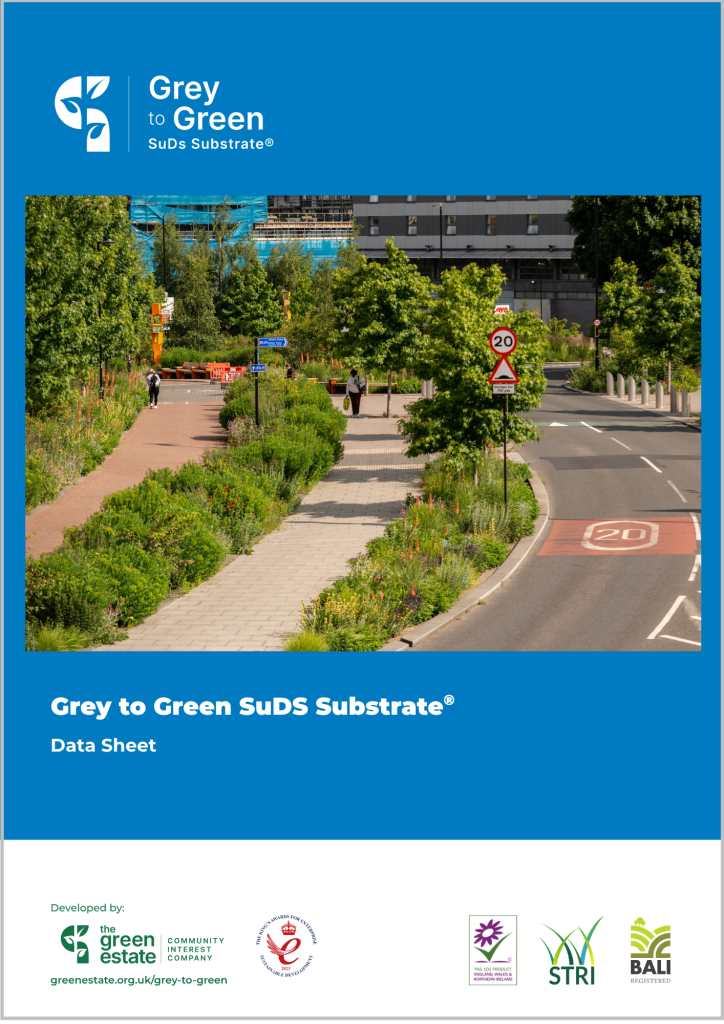


Urban transformation & environmental impact
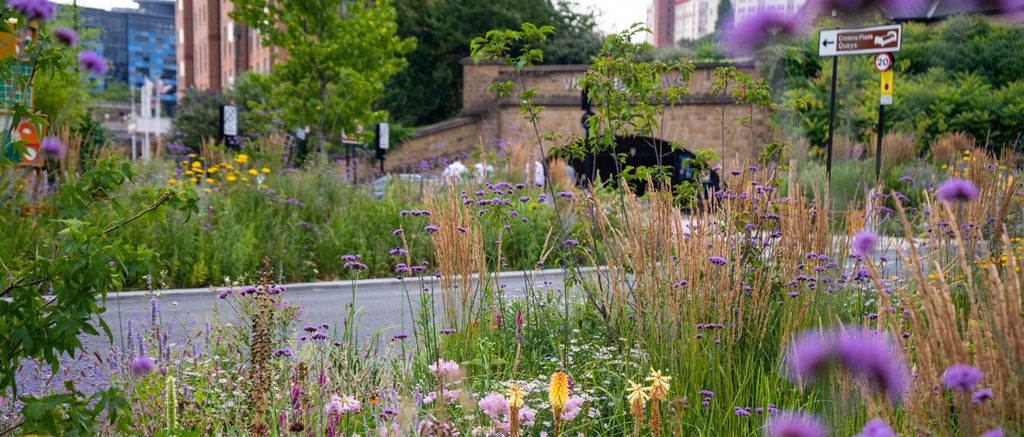
What began as hard civil infrastructure is now a thriving linear green corridor.
Measured impacts
- Significant biodiversity uplift
- Urban cooling through evapotranspiration
- Improved air quality and microclimate
- Enhanced pedestrian and cycling experience
- Improved public realm with strong identity
- Contribution to wider regeneration in the city centre
The project shows that infrastructure can be both technically robust and visibly transformative.


Maintenance & system longevity
Long-term success has been driven by:
- Engineered growing media
- Resilient, climate-appropriate planting
- Correct installation
- Informed, ongoing maintenance by The Green Estate
This integrated approach ensures the system continues to mature, perform and remain visually coherent.